
June 25, 2026

SA’s TB research changes global medical practice and is published in world’s highest ranked medical journal
Thursday, 25 June 2026: BEAT Tuberculosis, the South African clinical study that began in a research unit in Gqeberha (Port Elizabeth) in the Eastern Cape, has transformed the global treatment of drug-resistant tuberculosis(DR-TB), and it has achieved another landmark: its findings have been published today in the New England Journal of Medicine (NEJM). This is the highest-ranked medical journal in the world. The publication recognises that this research study has set the global standard for TB care.
The BEAT Tuberculosis clinical study,conducted at the Clinical Health Research Unit(CHRU) Isango Lethemba TBResearch Unit in the Eastern Cape and King Dinizulu Hospital Complex in KwaZulu-Natal, enrolled more than 400 participants over two years during the Covid-19 pandemic. The study was funded by the United States Agency for International Development (USAID) and executed by the University of the Witwatersrand (Wits), in collaboration with the National Department of Health.
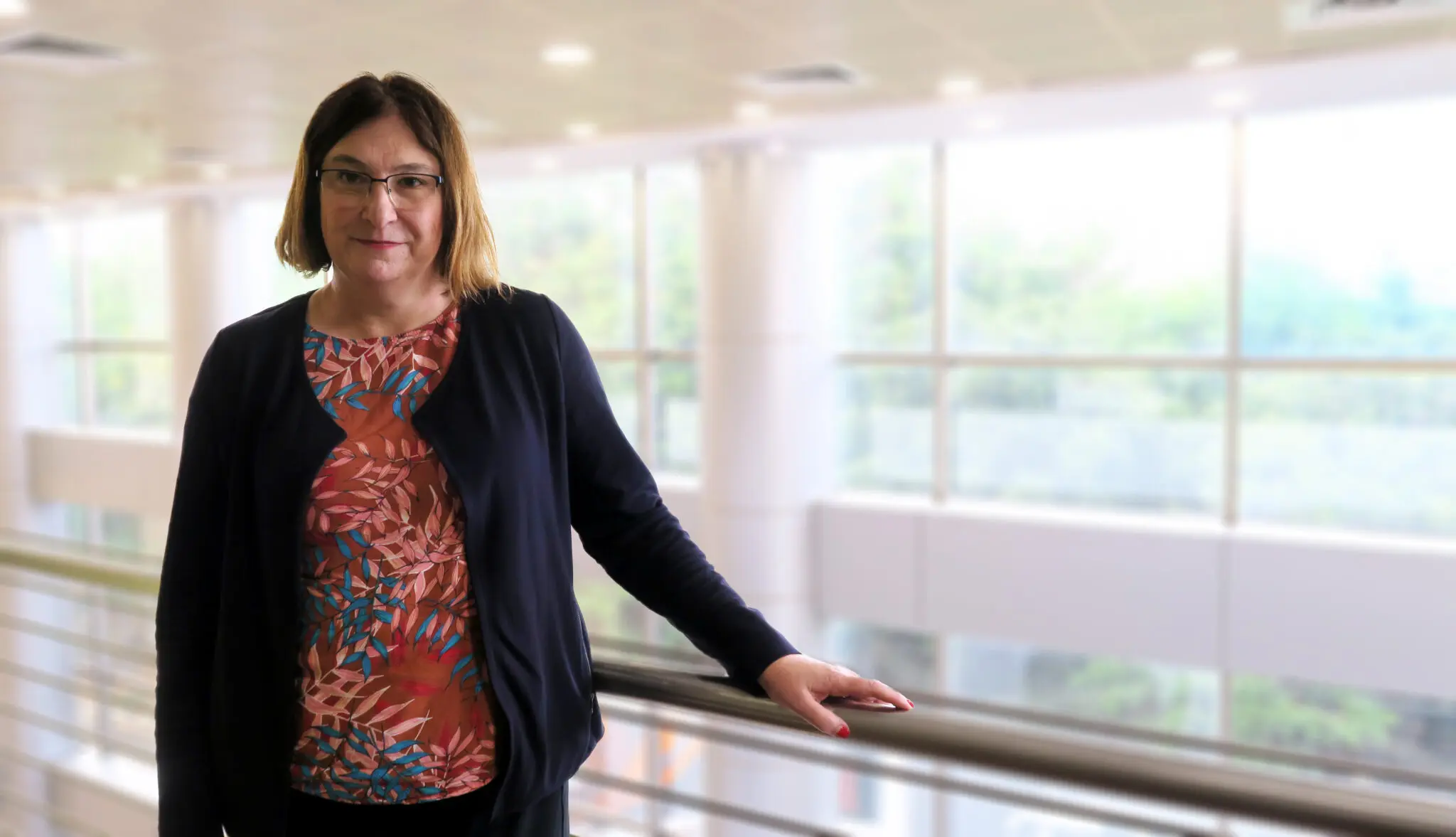
“This project has gone full circle,” says Dr Francesca Conradie, principal investigator of BEAT Tuberculosis and a researcher at the Clinical Health Research Unit, University of the Witwatersrand. “The results from this trial have changed international guidelines.Being published in the New England Journal of Medicine is proof that South Africa produces world-class research that improves the lives of patients globally.”
Treatment for the whole family
The primary aim of BEAT Tuberculosis was to evaluate the safety and effectiveness of a novel, shortened treatment regimen for DR-TB compared with the established standard of care. The standard treatment at the time required a seven-drug regimen administered over a minimum of nine months. BEAT Tuberculosis tested a streamlined regimen of four to five medications, including the newer agents bedaquiline and delamanid, administered over six months.
The BEAT Tuberculosis trial enrolled children,pregnant women and breastfeeding mothers alongside adults. These former groups are usually excluded from clinical research. The result is a treatment regimen that can be used across the entire family.
“This is a one-size-fits-all treatment regimen,” explains Dr Conradie. “Adherence is much easier when the three-year-old, the teenager, the mother and the father are all receiving treatment of similar duration and composition. That simplicity saves lives.”
The study enrolled ten pregnant women. All ten women gave birth to healthy babies, and nine of them were successfully treated.BEAT Tuberculosis has since been cited internationally as a model for inclusive clinical research methodology, and the findings have influenced World Health Organization policy on the treatment of DR-TB globally, including for pregnant women and children.
South Africa’s National Clinical Advisory Committee already reviews and approves the regimen for pregnant women presenting with Drug-Resistant TB, while other provinces are adopting the treatment, particularly when treating children.
During 2024, South Africa had 249,000 people who were infected with active tuberculosis, and 54 000 died from the disease,” says Prof Norbert Ndjeka,Chief Director: TB Control and Management, National Department of Health.“Not only did BEAT TB produce world-class research, but it is also being implemented progressively across South Africa and globally and is internationally recognised. South Africa has accomplished something exceptional.”
TB symptoms
The most common symptoms of TB are a cough lasting more than two weeks, weight loss, drenching night sweats and a fever.If you experience any of these symptoms, visit your nearest clinic. You will be asked to produce sputum (phlegm), which will be tested for TB. If the test is positive, the correct treatment will be started.
ENDS
About those involved in the BEAT TB study
The South African National Department of Health
The South African National Department of Health (SA-NDoH) and its provincial departments of health in Eastern Cape and KZN participated in the clinical trial. Treatment sites and access to drugs were provided. This collaboration helped achieve the smooth running of the clinical trial and strengthening of clinical services at the participating sites. The SA-NDoH is very supportive of research. The DR-TB National Clinical Advisory Committee advises the SA-NDoH on RR-TB operational research, programmatic and clinical management of RR-TB.
The Clinical Health Research Unit (CHRU)
The Clinical Health Research Unit(CHRU) is a division of the Wits Health Consortium. It was established in 2001 and has been focused on the optimisation of treatment of diseases in resource limited settings. CHRU has completed several large-scale antiretroviral therapy trials. The first MDR TB trials conducted by CHRU which started in 2008 were the registration altrials for bedaquiline. CHRU then expanded to other centres. In 2015, CHRU tookover the management of the MDR TB research site at the King DiniZulu Hospital Complex in Durban, KwaZulu Natal. In 2017/8, CHRU under the leadership of Dr Francesca Conradie established a research site in Nelson Mandela Bay, EasternCape where BEAT Tuberculosis was conducted at Isango Lethemba TB Research Unit.
Wits Health Consortium
The Wits Health Consortium (Pty) Limited (WHC)is wholly owned by the University of the Witwatersrand. WHC supports operations through which the university - primarily its Faculty of Health Sciences -conducts research, manages donor-funded activities, pursues entrepreneurial innovation in health and supports clinical trials. The key task of WHC is to provide the governance, legal framework, human resource management,financial and grant management to over 100 research entities, including theClinical Health Research Unit(CHRU), in various academic departments. This role is performed through WHC’s Shared Services Centre(SSC) which employs over200 skilled staff.
For further information and interviews,please contact NDoH and Turquoise PR:
● Foster Mohale +27 72 432 3792 Foster.Mohale@health.gov.za
● Michelle K Blumenau +27 83 273 9891 michelle@turquoisepr.co.za